Flow Card
Muse- a Text-To-Image Generation AI tool

About this opportunity
Guided action
Is this worth acting on?
Ask Flow for a fast read on fit, details, trust, and next steps. If you want to apply or prepare, move into FlowApply and add evidence before drafting.
The source/contact link is carried into Ask Flow or FlowApply so the session starts with context.
Related
-
Early Career Research Group Leader for Machine Learning in Science
The Cluster of Excellence "Machine Learning - New Perspectives for Science" at the University of Tübingen is seeking aspiring scientists f..
Machine Learning . Personal Growth . Others
-
a16z Build: Talent Engineer Fellowship
The Talent Engineer Fellowship by a16z Build is a specialized program designed for individuals who want to sit at the intersection of engi..
Computer Science . Machine Learning . Entrepreneurship . Personal Growth
-
Google Software Engineering Intern, Summer 2027
Google's Software Engineering Internship in India offers a unique opportunity for students to work on real-world projects that impact mill..
Computer Science
-
IMPRS-TRUST PhD Program in Computer Science
The International Max Planck Research School for Trustworthy Computing (IMPRS-TRUST) is a world-class doctoral program focused on the fund..
Computer Science . Machine Learning
-
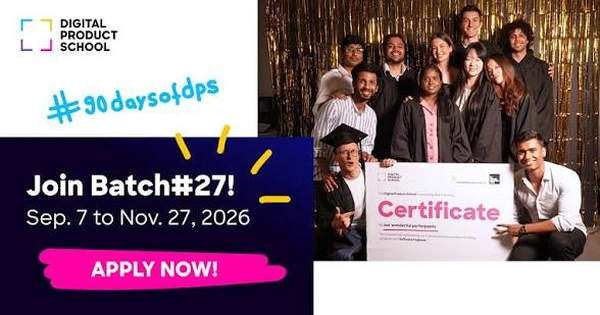
Digital Product School by UnternehmerTUM
The Digital Product School (DPS) is Europe’s most successful training program for cross-functional teams focused on building digital produ..
Computer Science . Machine Learning . Design . Personal Growth
-
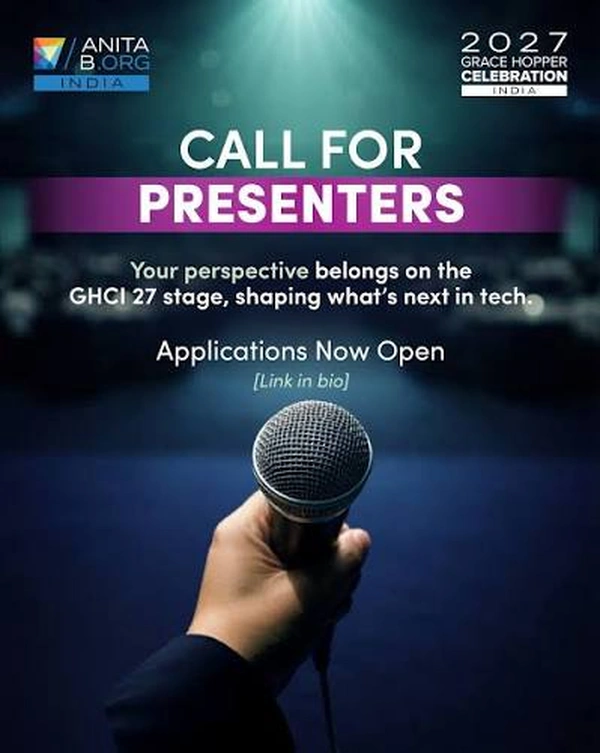
Grace Hopper Celebration India (GHCI) 27 Call for Presenters
The Grace Hopper Celebration India (GHCI) is the flagship technology conference and ecosystem platform in Asia, dedicated to accelerating ..
Computer Science . Personal Growth